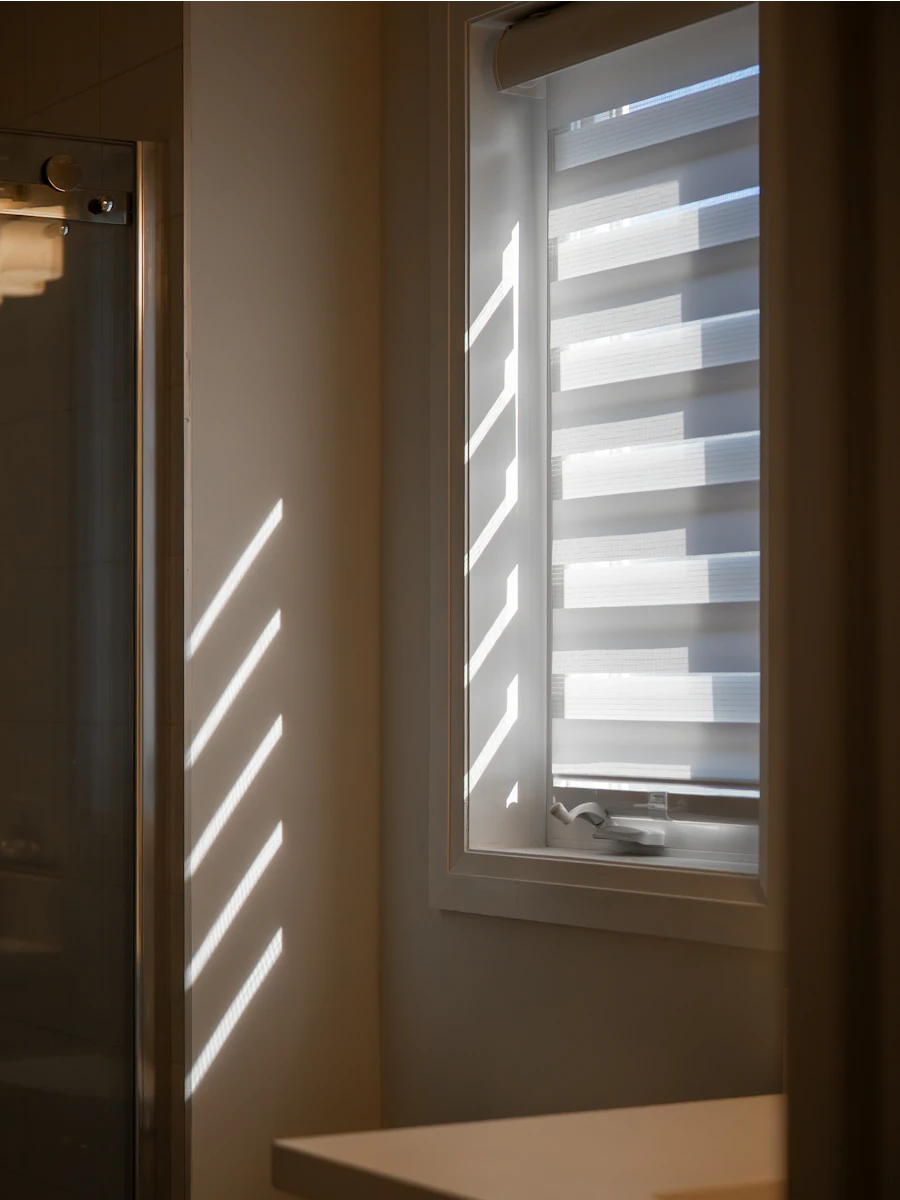
Why Naples homes are prone to mildew
Mold and mildew need moisture. In a humid climate, moisture is always in the air, and it settles wherever air doesn’t move: shower corners, closets, behind furniture, under sinks and in homes that sit closed for months. The EPA’s guidance is simple: control moisture and you control mold, and keep indoor relative humidity below 60% (ideally between 30% and 50%).
Bathrooms
- Run the exhaust fan during showers and for a while after.
- Squeegee shower glass and walls after use.
- Wash bath mats and towels often and dry them fully.
- Keep grout and caulk clean. Darkening lines are a sign of mildew starting.
Closets and storage
- Leave closet doors slightly open to let conditioned air in.
- Avoid packing items tightly against exterior walls.
- Never store damp clothes, towels or beach gear.
Air conditioning
- Keep the AC running, including when you’re away, and change filters regularly.
- Consider a humidity monitor; they’re inexpensive and show you when levels creep up.
- Clean supply vents and returns; dust buildup holds moisture.
Cleaning habits that help
Regular cleaning removes the soap scum, dust and residue that mildew feeds on. A deep clean once or twice a year gets into grout, vents and corners, and recurring cleaning keeps them from building up again.
Important: cleaning helps prevent mildew on surfaces, but visible mold over a large area, water damage or a persistent musty smell can point to a moisture problem that needs a licensed mold or water-damage professional.